EN
EN ES
ES PT
PT SV
SV DE
DE TR
TR FR
FR SW
SW AR
AR RU
RU KO
KO
In the cement industry, dust control and keeping equipment running smoothly are constant challenges, and air compressors and blowers play a big role in managing both. These machines power pneumatic tools, move raw materials, and help control dust throughout the production line, making operations cleaner and more efficient. Many cement plants have seen that investing in the right compressors and blowers improves safety while reducing downtime caused by clogged ducts or equipment issues. By understanding how these systems work and where they are most effective, plant managers and operators can boost performance and maintain a safer work environment.
How Compressed Air Supports Cement Production Lines
Compressed air is the silent helper in a cement plant, powering machines, moving materials, and supporting smooth operations without drawing much attention. It supplies the energy needed for pneumatic tools, valves, and actuators that control the flow of raw materials like limestone, clay, and gypsum, ensuring the right mix reaches the kilns. It also plays a key role in conveying powdered cement, as pressurized air pushes material through pipes cleanly and efficiently, reducing spills and dust. Automated systems such as sensors, control panels, and actuators depend on steady air pressure to keep production consistent, while even simple tasks like cleaning filters rely on it. By regularly checking air filters, monitoring pressure levels, and maintaining compressors on schedule, plant operators can prevent leaks, bottlenecks, and unnecessary energy costs. Overall, compressed air keeps the entire cement production line connected, controlled, and running smoothly with fewer interruptions.

The Importance of Reliable Blowers for Dust Conveyance
Blowers play a crucial role in keeping cement plants clean, safe, and efficient because dust is produced at almost every stage from raw material handling to grinding, cooling, and packaging. Without proper airflow, fine particles can settle on equipment and floors, causing unnecessary wear, higher maintenance, and potential health risks for workers. Reliable blowers help move dust-laden air through ducts, filters, and baghouses so that particles are captured instead of spreading throughout the facility. If a blower slows down or fails, dust buildup can quickly disrupt operations and even force unexpected shutdowns, which is why many plants rely on centrifugal or positive displacement blowers for steady performance under heavy loads. Regular inspections, such as checking for vibration, unusual noise, pressure changes, or worn components, help operators keep these systems running smoothly. Proper filter cleaning and replacement also ensure consistent airflow. Overall, maintaining blower performance not only protects equipment but also supports a healthier work environment and more stable, cost-effective production.
Energy-Saving Strategies in Cement Plant Air Systems
Air systems in cement plants, such as compressors and blowers, can consume large amounts of energy because they typically run nonstop, making even small inefficiencies costly over time. To manage energy use effectively, plants can start with simple steps like repairing leaks, since even minor leaks in pipes and fittings can waste significant compressed air. Adjusting air pressure to match actual demand instead of running at unnecessarily high levels also reduces power consumption. More advanced solutions include using variable speed drive (VSD) compressors, which automatically adjust their speed based on real-time air requirements, preventing the waste that happens when compressors run at full capacity all the time. Blowers can also be optimized by adding dampers or variable frequency drives so airflow is controlled based on process needs rather than operating constantly at maximum output. Keeping ducts, filters, and impellers clean further improves airflow and reduces the energy needed to move air through the system. Operators can support these improvements by tracking energy use, monitoring system performance, and performing regular maintenance. With these combined strategies, cement plants can lower their energy bills, protect equipment, and maintain efficient, steady production.
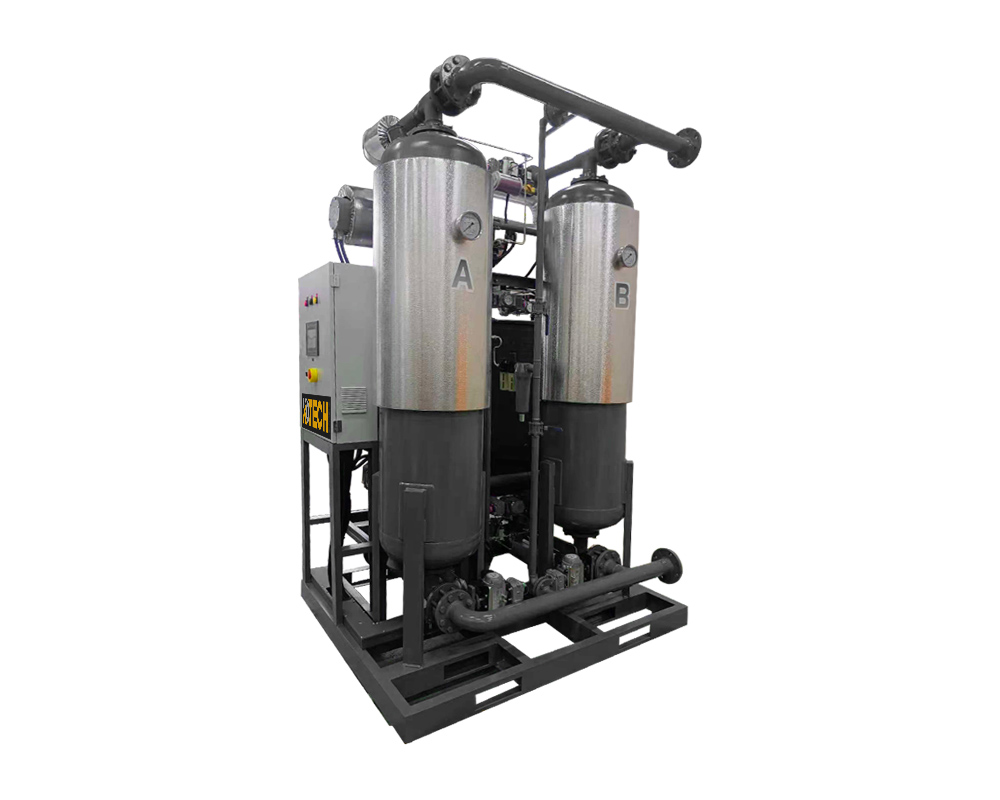
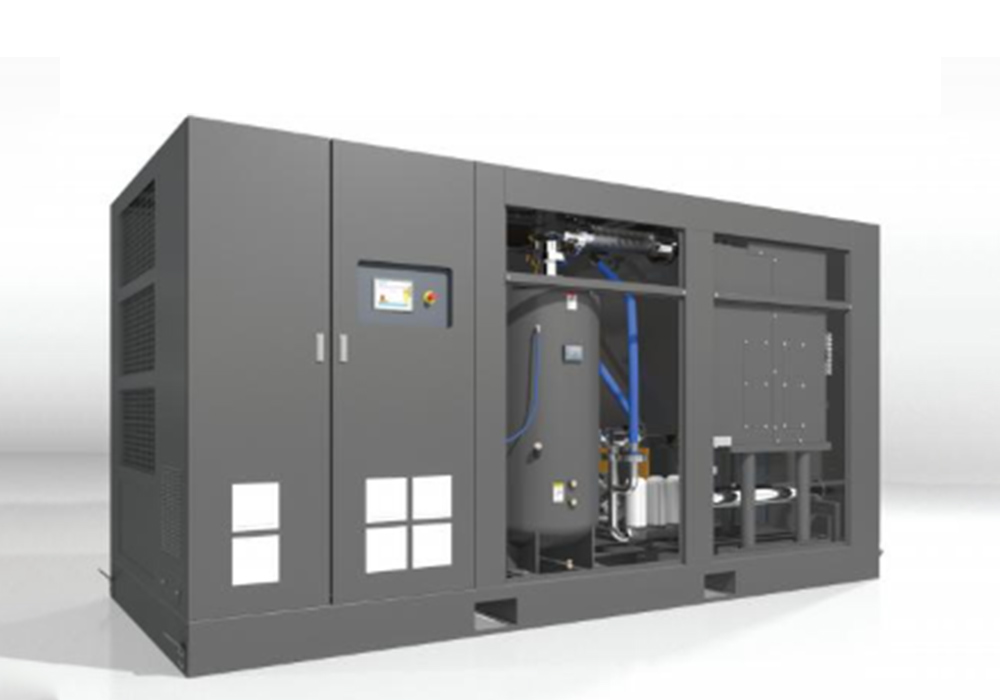
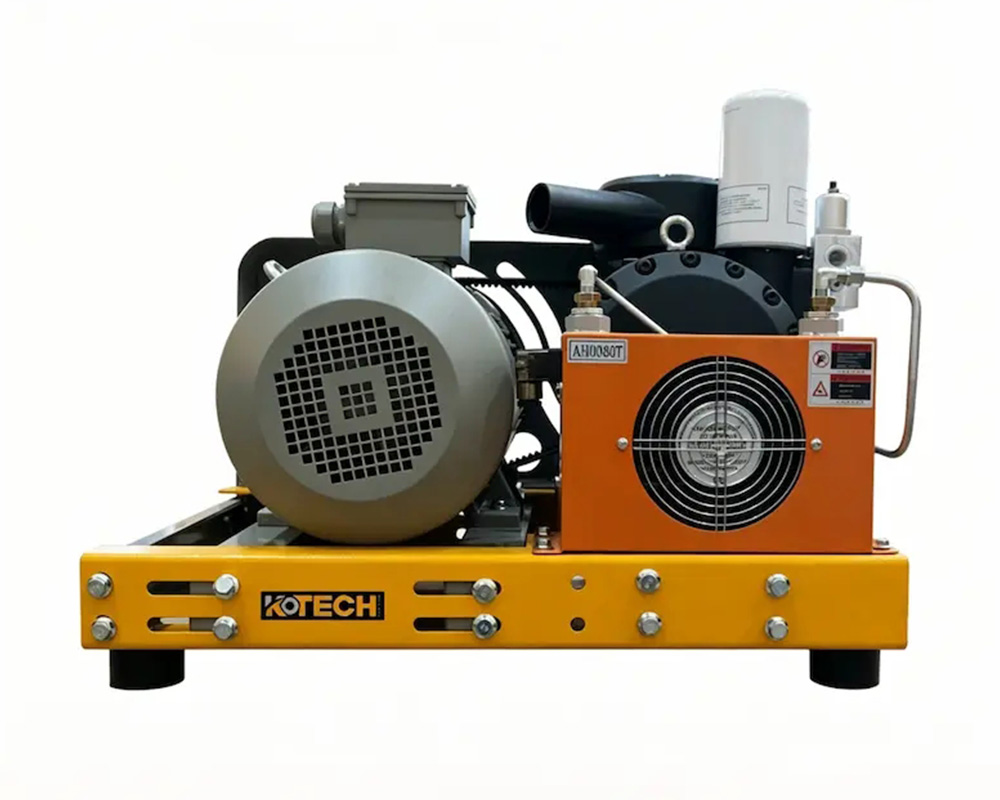
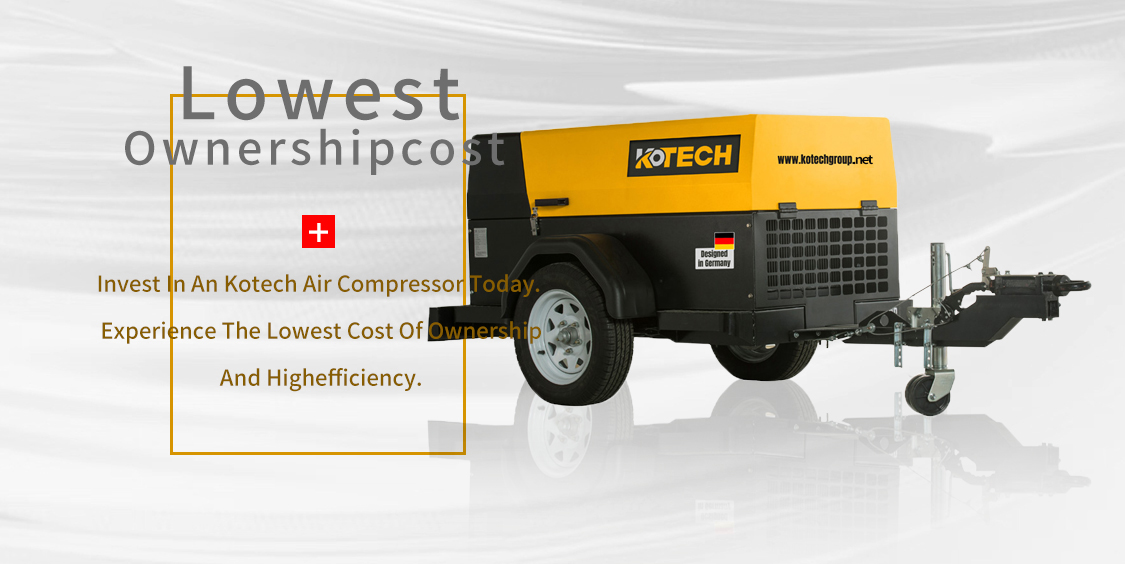
KOTECH, as a pioneer British air compressor brand, global leader in air compressors and its spare parts manufacturer with total integrated digital technology and is proud to provide a wide range of compressors from 5.5KW-630KW,0.69m3-120m3,2bar-200bar, mining equipment and spare parts.