EN
EN ES
ES PT
PT SV
SV DE
DE TR
TR FR
FR SW
SW AR
AR RU
RU KO
KO
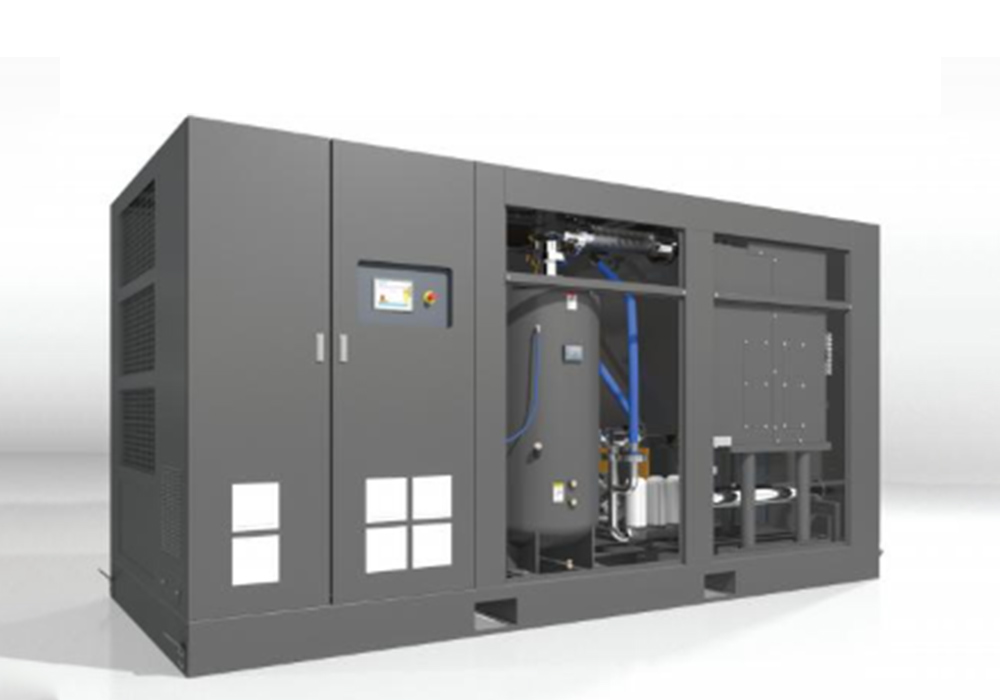
In many workshops and factories, space is always a challenge. Machines keep growing, but floor space does not. This is where integrated air compressor systems start to make sense. Instead of using separate units spread across different corners, everything is combined into one setup. The compressor, dryer, and filters work together in a single frame, making the layout much cleaner and easier to manage. In real use, this helps small and medium plants free up space for production tools or storage. It also makes daily checks simpler since everything is in one place, not scattered around the facility.
All-in-One Design: Combining Compressor, Tank, and Dryer
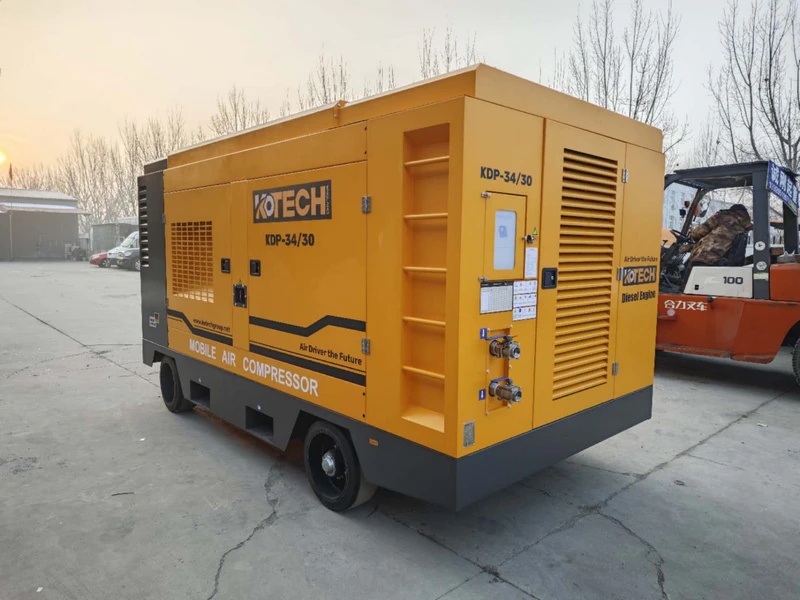
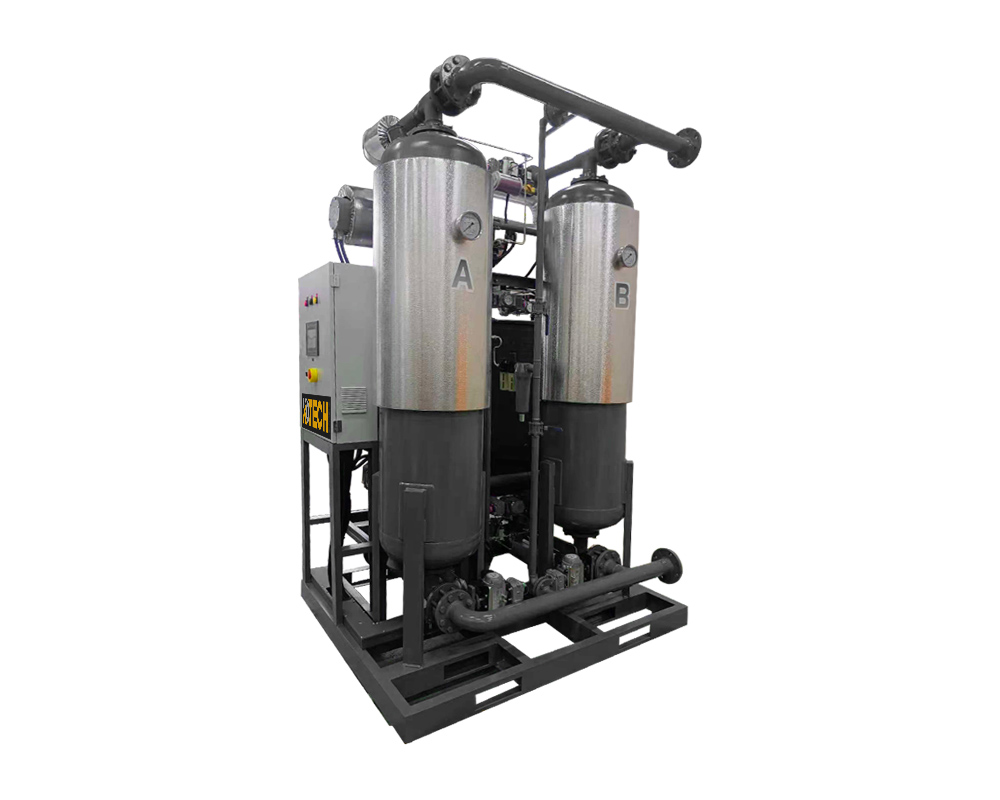
An all-in-one compressor setup puts the compressor, air tank, and dryer into a single frame. The idea is simple: instead of connecting separate units with long pipes and fittings, everything sits together and works as one system. Air comes in, gets compressed, stored in the tank, then dried before it reaches your tools or machines. This setup helps reduce wasted space and keeps the whole system easier to understand, especially for small workshop owners or plant technicians who handle maintenance themselves.
Take a small automotive repair shop as an example. In the past, they may have had a air compressor in one corner, a tank near the wall, and a dryer placed somewhere close to the paint booth. This kind of layout often leads to messy piping and small pressure drops that affect spray guns or air tools. After switching to an integrated unit, everything sits in one compact base. The shop gains extra floor space, and the air output becomes more stable. Painters notice fewer issues with moisture in the spray line, which helps improve finish quality.
When setting up an all-in-one system, sizing matters. It helps to match the airflow demand of your tools with the compressor capacity, so the tank can smooth out short bursts of high usage without strain. Good drainage is also important since moisture still collects in the system even with a dryer in place. Many users overlook this and end up with water buildup over time. Another point to check is access for basic servicing. Even if the system is compact, filters and drain valves should be easy to reach without moving the whole unit. Keeping airflow space around the machine also helps it run cooler and last longer.
Reducing Installation Costs with Plug-and-Play Functionality
One of the biggest advantages of integrated air compressor systems is how easy they are to install. With plug-and-play design, most of the main parts are already connected before the unit arrives. The compressor, tank, dryer, and basic controls are factory-assembled, so the user does not need to build a complex piping network on site. In many cases, installation becomes as simple as placing the unit, connecting power, and linking it to the air line.
This setup can make a real difference for small factories or workshops that do not have a dedicated engineering team. For example, a furniture workshop that upgrades its old compressor system often faces delays because of piping work, fittings, and alignment issues. Each extra connection takes time and adds the chance of air leaks. With a plug-and-play system, that same workshop can get back to production within a short period, sometimes within a single day, depending on site readiness.
Lower installation effort also means lower labor cost. Instead of hiring multiple technicians for welding, pipe fitting, and system calibration, a smaller crew can handle the job. This helps businesses save money before the system even starts running. It also reduces the risk of installation mistakes, like poorly sealed joints or incorrect dryer placement, which can affect air quality later.
Another practical benefit is cleaner setup planning. Since the system is pre-designed as a complete unit, users do not need to guess pipe lengths or layout flow paths. This is especially helpful in tight spaces where every meter of floor area matters. A compact installation also makes future relocation easier. If the workshop moves or expands, the unit can be disconnected and installed again without major reconstruction.
Before starting installation, it still helps to check basic site conditions. A flat, stable floor and proper ventilation space are important so the system can run without overheating or vibration issues.
Improving Air Quality with Built-in Multi-Stage Filtration
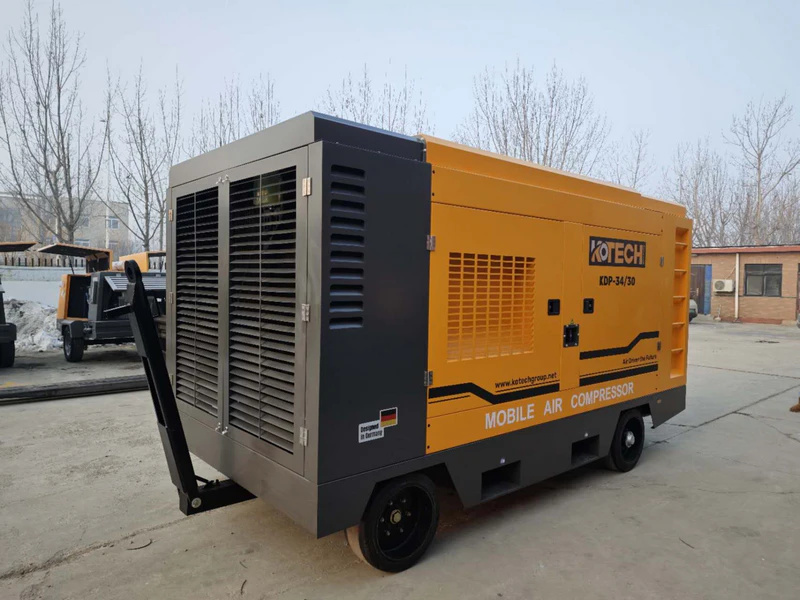
Clean air is just as important as strong air pressure in many industrial and workshop settings. Built-in multi-stage filtration helps remove dirt, oil mist, and moisture before the air reaches tools or production lines. Instead of relying on a single filter, the system passes air through several layers, each one handling a different type of contamination. This helps keep the final air output more stable and suitable for sensitive work.
A simple way to understand this is to think about a paint shop. Even a small amount of water or oil in the air line can cause uneven spray patterns or tiny defects on the surface. Before, many shops used basic filters that only caught larger particles, but finer moisture still slipped through. With a multi-stage system, the air is cleaned step by step. First, larger particles are removed. Then oil mist is separated. Finally, moisture is reduced before the air reaches the spray gun. The result is smoother finishing work and fewer reworks.
In food packaging or electronics assembly, air quality becomes even more important. Dust or oil in the air can affect product safety or damage delicate parts. Built-in filtration systems help reduce these risks without needing a long chain of external filters. Since everything is already part of the portable air compressor setup, there is less chance of missing a filter stage during installation or maintenance.
Maintenance is also more straightforward. Instead of checking multiple separate filter units spread around the workshop, technicians can focus on one integrated system. Filter replacement schedules are usually easier to track because the system is designed as a single unit. Still, it helps to keep an eye on pressure drops, since clogged filters can slowly reduce airflow without being obvious at first.
To keep performance steady, regular draining of collected moisture is important. Even with good filtration, water still forms during compression. Simple habits like checking drain valves and replacing filter elements on time can help maintain clean, dry air for longer use.
Simplified Maintenance Protocols for Compact Industrial Units
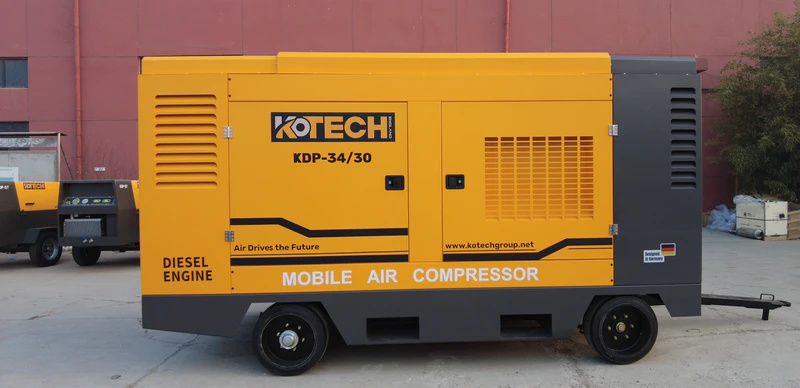
When the entire air system is integrated into a small unit, maintenance is significantly simpler. Technicians simply need to concentrate on one setup rather than inspecting other machines dispersed throughout the floor. This lessens misunderstanding and speeds up routine tests, particularly in busy workshops where downtime must be kept to a minimum.
A good example is a small printing facility that runs air-powered cutting and cleaning tools throughout the day. In the past, their compressor, dryer, and filters were installed in different corners. Maintenance meant walking from one point to another, checking pressure readings, and tracing pipe connections. After switching to a compact integrated unit, their weekly checks became more organized. Everything is in one place, so it only takes a few minutes to inspect oil levels, drain moisture, and check filter status.
Most compact systems follow a simple routine. Daily checks usually include looking at pressure readings and making sure there are no strange noises or vibrations. Weekly tasks often involve draining collected water from the tank and inspecting basic filter condition. Monthly checks may include replacing or cleaning filter elements depending on usage. Since the system is unified, it is easier to follow this pattern without missing steps.
Another benefit is fewer hidden problems. In older setups, small leaks in long pipe runs were easy to miss. Over time, those leaks caused pressure loss and higher energy use. With integrated systems, piping is short and internal, so leaks are less likely and easier to spot. This helps reduce wasted energy and keeps output stable.
It also helps to keep the unit in a clean, open space. Dust buildup around cooling vents can affect performance and lead to overheating. Simple habits like wiping down surfaces and checking airflow paths can extend machine life without much effort. Regular attention, even for a few minutes a day, is often enough to keep the system running smoothly.
KOTECH, as a pioneer British air compressor brand, global leader in air compressors and its spare parts manufacturer with total integrated digital technology and is proud to provide a wide range of compressors from 5.5KW-630KW,0.69m3-120m3,2bar-200bar, mining equipment and spare parts.