EN
EN ES
ES PT
PT SV
SV DE
DE TR
TR FR
FR SW
SW AR
AR RU
RU KO
KO
In the oil and gas industry, air compressors are essential for keeping operations running efficiently and safely, even though they often go unnoticed. These systems supply a constant flow of pressurized air that powers a wide variety of tools and equipment, from pneumatic valves to cleaning machinery.
The roles of air compressor in oil and gas industry?
Air compressors are essential in the oil and gas industry, serving as a key part of daily operations and keeping processes efficient and safe. They power pneumatic tools such as drills, wrenches, and other equipment, which is especially important in remote sites where electricity may be limited or unsafe around flammable materials. Compressed air also operates valves and actuators in pipelines and production systems, allowing precise control for tasks like emergency shutoffs, which helps prevent leaks or accidents. Additionally, compressors assist with cleaning and maintenance, blowing dust, debris, or drilling residues off machinery to reduce malfunctions, and even removing water from sensitive equipment or pipelines on offshore platforms. They are also used in specialized operations, including gas lift to boost oil flow and pipeline testing to ensure seals are secure. By supporting tools, safety systems, maintenance, and critical processes, air compressors are a vital and versatile backbone in oil and gas operations, keeping production smooth and reliable. They are crucial in tasks such as pipeline maintenance, drilling, and operating instruments that require precise air pressure. A stable and reliable air supply ensures that machinery functions smoothly, prevents unexpected downtime, and maintains safety standards on rigs, refineries, and production sites. Without properly maintained compressors, operations can slow down, equipment may fail, and safety risks increase. By supporting both everyday tasks and critical procedures, air compressors become a quiet but indispensable backbone of oil and gas operations, helping teams maintain productivity and reliabili
What are the common types of air compressor in oil and gas industry?
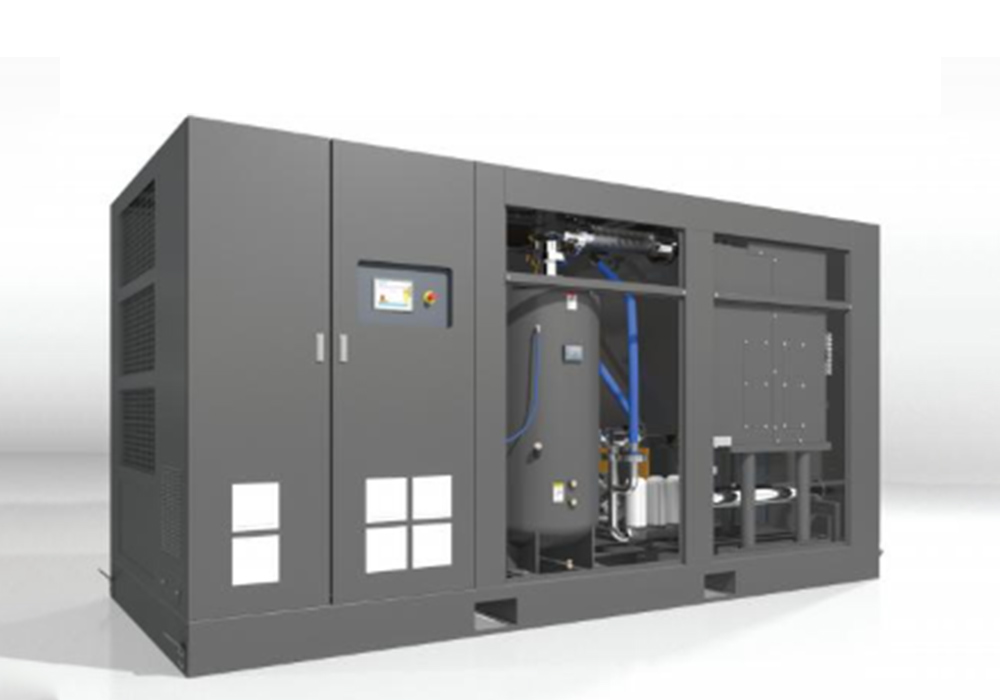
In the oil and gas industry, different types of air compressors are chosen based on the specific task, location, and pressure needs. Reciprocating compressors are common on smaller rigs or in maintenance shops. They use pistons to compress air in a cylinder, making them ideal for applications that need high pressure but lower air volume, such as powering pneumatic tools or controlling small valves. These units are simple, reliable, and easy to maintain, which makes them well-suited for precision tasks and smaller-scale operations. On the other hand, rotary screw compressors are often used in larger facilities like refineries and offshore platforms. They compress air continuously using two interlocking screws, delivering a steady, high-volume output. This makes them perfect for powering multiple tools simultaneously, supplying air for pipeline control systems, or supporting gas lift operations. Their smooth operation and low vibration are valuable in environments that require consistent, uninterrupted airflow. Centrifugal compressors are used in very large-scale operations where extremely high volumes of air are needed, such as in gas processing plants or long pipeline networks. These compressors rely on rotating impellers to increase air velocity and pressure. They are more complex and require careful maintenance but can deliver the massive airflow that other types cannot handle efficiently. Choosing the right type of compressor depends on factors like the volume of air needed, operating environment, and how often it will run. Using the correct compressor ensures tools work reliably, processes stay safe, and maintenance costs remain manageable. In the oil and gas industry, having the right air compressor in the right place can make a noticeable difference in both safety and efficiency.
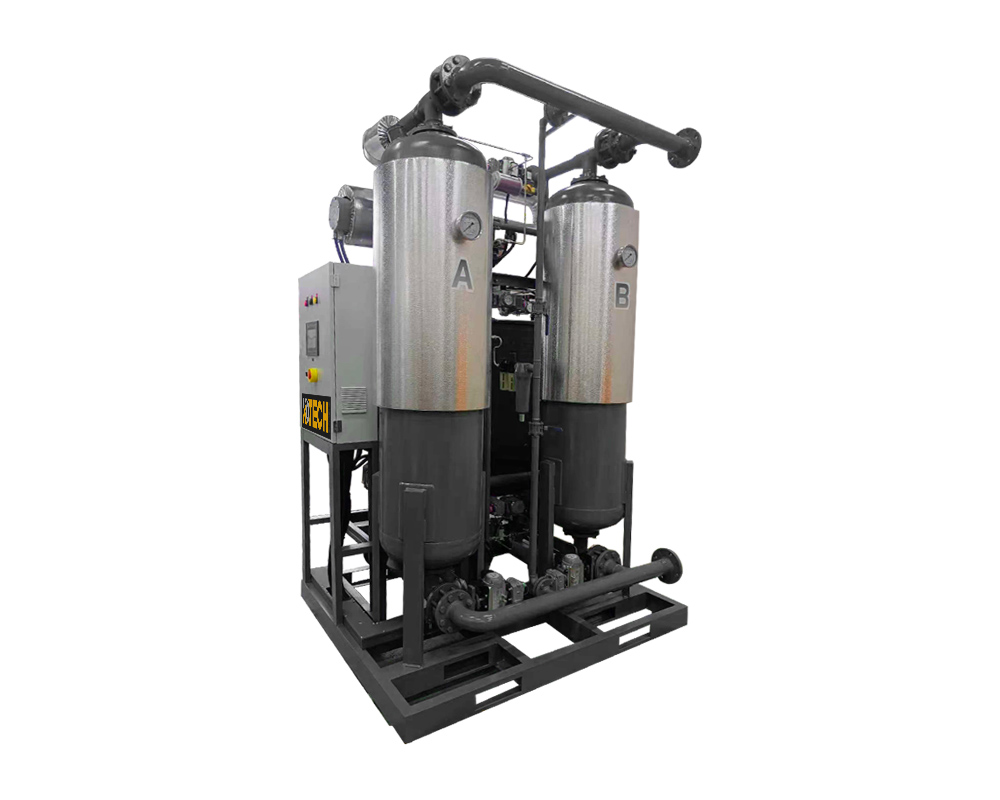
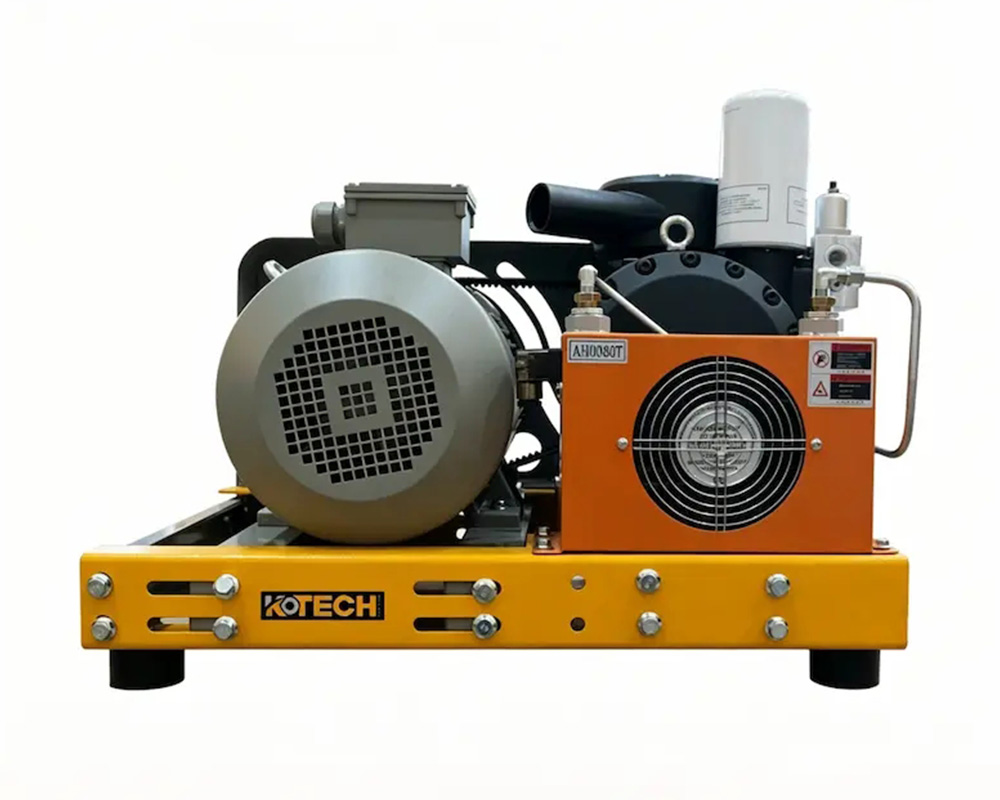
KOTECH, as a pioneer British air compressor brand, global leader in air compressors and its spare parts manufacturer with total integrated digital technology and is proud to provide a wide range of compressors from 5.5KW-630KW,0.69m3-120m3,2bar-200bar, mining equipment and spare parts.